Herbal Harmony: Integrating Chesterfield and Mario Bellini Sofas for Ultimate Relaxation
In the fast-paced world we live in, finding moments of tranquility and relaxation has become…
In the fast-paced world we live in, finding moments of tranquility and relaxation has become…
n the hustle and bustle of our modern lives, finding moments of tranquility and well-being…
Working as a pharmacist for the past 15 years, Clell brings an integrative approach to…
The Fate of VitaminsA low-profile organization created by the United Nations is about to ban…
In the fast-paced world we live in, finding moments of tranquility and relaxation has become essential for our well-being. Today, let’s delve into the art of creating a serene living space by seamlessly combining the timeless comfort of Chesterfield sofas with the modern elegance of Mario Bellini sofas. This holistic approach, when paired with herbal…
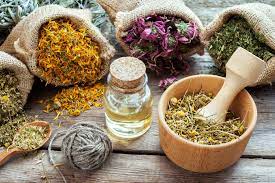
n the hustle and bustle of our modern lives, finding moments of tranquility and well-being has become essential. What if I told you that some of the most powerful remedies for our well-being can be found in the embrace of nature? Welcome to the world of herbal teas, where the union of herbs and teas…
Working as a pharmacist for the past 15 years, Clell brings an integrative approach to the use of nutritional supplements and the proper role of herbs. In pharmacy practice his area of clinical expertise was concentrated in nutritional supplementation and clinical investigation and research. Since joining NSP in 1997, Clell has been extensively involved in…
The Fate of VitaminsA low-profile organization created by the United Nations is about to ban global trade of many essential nutrients—and there may be nothing you can do to stop it. By Peter Byrne If you use vitamin and mineral supplements for health, you might want to fly over to Rome, Italy and crash the…
Compiled by Julia Kendall*, Co-Chair, Citizens for a Toxic-Free Marin.Phone: (415) 485-6870. Reference: Lance Wallace, Environmental Protection Agency;Phone (703) 341-7509. Excerpts from “Health Hazard Information.” References: Material Safety Data Sheets (MSDS). Provided with permissionby Barbara Wilkie [email protected] of the Environmental Health Network (of California). [*NOTE: Julia Kendall died July 12, 1997 from Multiple Chemical Sensitivities…
If you’re alive in 20 years, you may be able to live forever. From the moment of birth, we begin the battle against the inevitable. Statistics say that a newborn child can expect to live an average of 76 years. But averages may not be what they use to be. In 1796, life expectancy was…

HOME PAGE A-Z PRODUCT LIST EXCLUSIVE HERBAL FORMULAS WEIGHT LOSS HOMEOPATHICS HEALTH NEWS & ARTICLESHEALTH DRINKS & LIQUIDS VITAMINS, MINERALS, ENZYMES INDIVIDUAL HERBS CLEANSING / DETOX PURE ESSENTIAL OILS PRODUCT QUALITYAYURVEDIC FORMULATIONS FOR CHILDREN HERBS BY AILMENT CHINESE FORMULATIONS SKIN & HAIR CARE ORDERING & SHIPPING INFOCOPYRIGHT 2000-2010GREATEST HERBS ON EARTH©ALL RIGHTS RESERVEDText, Graphics and…
Proper Cleansing Helps Support Your Weight-Management Efforts Proper cleansing of the digestive tract allows for better elimination of waste and improved absorption of nutrients from the food you eat. Get your weight-management program off to a great start with the cleansing action of Dieter’s Cleanse (formerly Nature’s Cleanse). Benefits: Dieter’s Cleanse is a safe, simple,…
Yeast/Fungal Detox is a potent detoxification product formulated to inhibit the growth of unfriendly organisms and help restore the body back to optimal performance.Benefits: The typical Western diet contains large quantities of sugar. Certain microorganisms utilize primarily sugars and starches as their food source. The rampant use of antibiotics is an additional crucial factor in…

Nutritional Outlook – A Canon Communications LLC PublicationThe Manufacturers Resource For Dietary Supplements & Healthy Food and Beverageshttp://www.nutritionaloutlook.comReprinted from Nutritional Outlook, November/December 2002 • Copyright © 2002 Canon Communications LLC 2002 Nutritional Manufacturer of the Year – Nature’s Sunshine Products A Place in the Sunshine One thing Nature’s Sunshine Products (NSP; Provo, UT) takes seriously…